Project Summary
In time, commercial CO2 capture systems for fossil fuel power plants will be deployed using current and novel solvents (some of these are still under early phase research and development).
This change in power generation technology will inevitably require changes in the way power plants are approved, regulated and monitored. The environmental performance of solvents will influence their commercial and environmental viability.
Since many of these solvents have not been used at this scale on coal and natural gas flue gases it is important that we understand the emissions profiles of different solvent systems. This will not only inform research and development teams, as they trial new solvents, but also environmental monitoring agencies who will need to regulate, approve and monitor emissions. These agencies are accountable to ensure safe and ‘air shed’ suitable emissions targets.
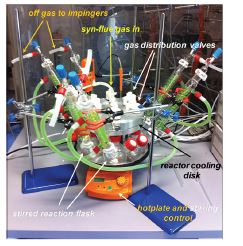
What could potentially enter the environment is highly dependent on the actual solvent. In a controlled laboratory environment, CSIRO tested three Post Combustion Capture solvents, which they exposed to a simulated flue gas. Using similar operating conditions to a potential real world application the solvent and gas stream were then rigorously tested using some of the latest analytical equipment.
The two key solvents studied were:
- Methyldiethanolamine (MDEA)
- Piperazine (PZ)
Importantly, in addition to the recommended chemical listing for emissions monitoring, the report concludes that, with the systems and analytical methods developed, amine-based solvent degradation products can be effectively screened and analysed.
What are the chemicals for which monitoring is recommended? For MDEA solvent applications, by far the most important degradation product is diethanolamine (DEA). For the PZ solvent, only two main products were found: ethylenediamine and 2-oxopiperazine. A list of other substances was also recommended to be monitored for both solvents.